Energy-efficient greenhouse
Lighting – transition to LED technology
One of the most significant sources of energy consumption in greenhouses is lighting, especially during the dark months of the year or when growing light-demanding crops. Traditional lighting methods are often energy-intensive and generate significant amounts of heat, which can create additional needs for ventilation and cooling.
Today, LED lighting has become a much more efficient alternative. LED lamps have several advantages:
- Low energy consumption: LEDs consume significantly less electricity compared to traditional lamps, thus reducing overall energy costs.
- Long service life: LED lamps have a much longer service life, which reduces the need for frequent replacement and the associated costs.
- Optimal light spectrum adjustment: LED technologies allow for precise adjustment of the light spectrum according to the growth phases and needs of specific plants, thus contributing to better yields and quality.
- Low heat emission: LED lamps emit significantly less heat, which reduces the need for intensive cooling and can help maintain a more stable temperature in the greenhouse.
By switching to LED lighting, greenhouse owners can significantly reduce their energy bills and improve growing conditions.
Using solar energy – a sustainable solution
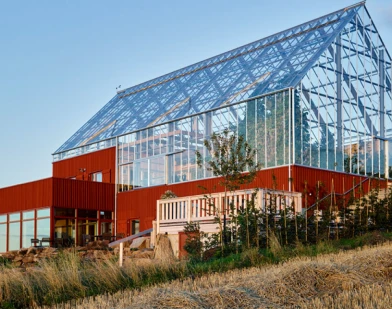
Solar energy is an inexhaustible and environmentally friendly source of energy that can be effectively used in greenhouses. By installing a solar panel system, integrating it into the greenhouse roof structure or in an adjacent area, you can generate electricity needed for lighting, heating, ventilation, cooling and other equipment, which can be supplemented with a solar battery system, thus ensuring energy storage and use at a convenient time.
The implementation of solar systems has several advantages:
- Independence from electrical grids: Solar installations can provide partial or even complete independence from traditional energy suppliers, especially in remote locations.
- Reduced operating costs: Although the initial investment in solar systems can be significant, in the long run they allow you to significantly reduce electricity costs.
- Environmentally friendly: Using solar energy reduces the greenhouse's carbon footprint and promotes sustainable farming.
- Government support programs: Many places offer government support programs and subsidies for installing solar systems, which can reduce the initial investment.
By combining solar systems with energy-efficient equipment, greenhouses can become almost self-sufficient in terms of energy.
Efficient water management – rainwater harvesting
Water is a vital resource for growing plants in greenhouses. Traditional irrigation methods can be inefficient and consume large amounts of water. One energy-efficient solution to conserve water resources is the use of rainwater.
Rainwater harvesting systems can be integrated into the greenhouse structure, diverting rainwater from the roof into special tanks. This collected water can then be used to water plants, thus reducing dependence on centralized water supplies and reducing water consumption costs.
Advantages of using rainwater:
- Free water source: Rainwater is a natural and free source of water.
- Reduced water supply costs: Using rainwater reduces the need for expensive centralized water supplies.
- Environmental friendliness: Collecting and using rainwater is a sustainable water resource management practice.
- Softer water: Rainwater is usually softer than tap water, which can be more beneficial for plants.
To ensure quality water for irrigation, collected rainwater can be filtered and treated before use.
Optimal climate control – ventilation and heating
Effective climate control is essential for healthy plant growth and good yields in a greenhouse. Ventilation and heating are two main aspects that affect energy consumption in this area.
Ventilation:
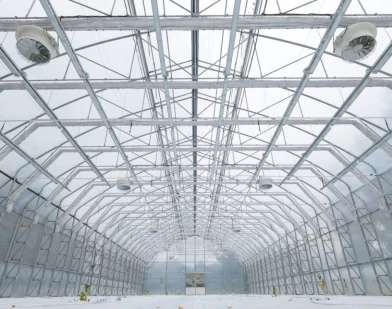
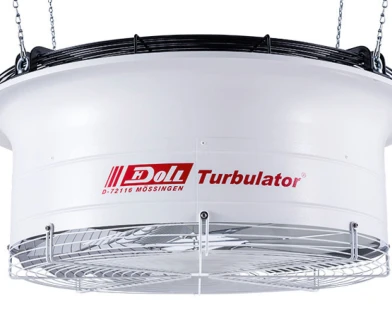
A suitable ventilation system helps maintain optimal temperature and humidity levels in the greenhouse, as well as ensuring air circulation, which is important for plant respiration and disease prevention. Energy-efficient ventilation solutions include:
- Natural ventilation: Using roof and side windows, natural air flow can be ensured using the power of wind and thermal convection. Proper window placement and opening mechanisms can optimize this process.
- Mechanical ventilation with recuperation: Mechanical ventilation systems with heat recovery (recuperation) function allow warm air to be removed from the greenhouse while simultaneously heating the incoming cold air. This significantly reduces energy losses associated with forced ventilation.
- Automatic control systems: Automatic systems based on temperature, humidity and CO2 sensors can precisely adjust the ventilation intensity according to current needs, thus avoiding unnecessary energy consumption.
Heating:
Heating systems are necessary in greenhouses during the cold months of the year to ensure optimal temperatures for plant growth. Inefficient heating methods can result in significant energy costs. Energy-efficient heating solutions include:
- Modern boilers: High-efficiency boilers that use biomass, natural gas or liquid fuels can significantly reduce fuel consumption compared to older models.
- Heat pumps: Heat pumps are highly efficient heating and cooling devices that use the heat of the environment (air, ground or water). Although the initial investment may be higher, they provide significant energy savings in the long term.
- Infrared heaters: Infrared heaters do not heat the air, but directly the plants and surfaces, thus reducing energy losses and providing targeted heat, it should be noted that their use will not be beneficial for all plants.
- Heat accumulators: Heat accumulators allow you to accumulate excess heat generated during the day from the sun or other equipment and release it at night when the temperature drops.
- Greenhouse insulation: To reduce heat losses, it is important to ensure good greenhouse insulation by using suitable covering materials and seals.
Other energy-efficient solutions
In addition to the solutions mentioned above, there are other methods that can help improve energy efficiency in greenhouses:
- Shading systems: Using internal or external shading systems, you can regulate the intensity of solar radiation in the greenhouse, reducing overheating in summer and thus reducing the need for cooling.
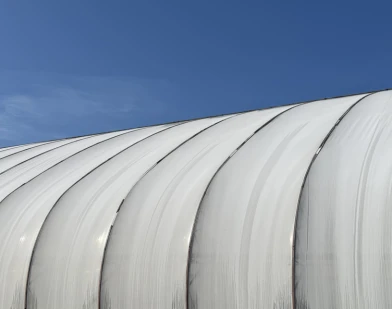
- Double-layered covering materials: Using double polyethylene film with an air pocket, or other multilayer covering materials, you can improve the insulation of the greenhouse and reduce heat loss in winter.
- Energy audits: Regular energy audits can identify the main sources of energy consumption and determine ways to improve energy efficiency.
- Smart control systems: Integrated smart control systems can combine various energy-efficient systems and automatically optimize their operation based on current conditions and plant needs.
Conclusions
Energy efficiency has become an integral part of modern greenhouse management. By implementing various energy-efficient solutions and systems, from LED lighting and solar systems to rainwater harvesting and optimized ventilation and heating or cooling, garden greenhouses, professional greenhouses and industrial greenhouses can significantly reduce their operating costs, become more environmentally friendly and ensure sustainable production in the future. Investments in energy efficiency are an investment in both the economic stability of the company and a “greener” future.
SIA TERMOLAT professionals will be happy to help you find the most energy-efficient solutions specifically for your project, needs and capabilities.